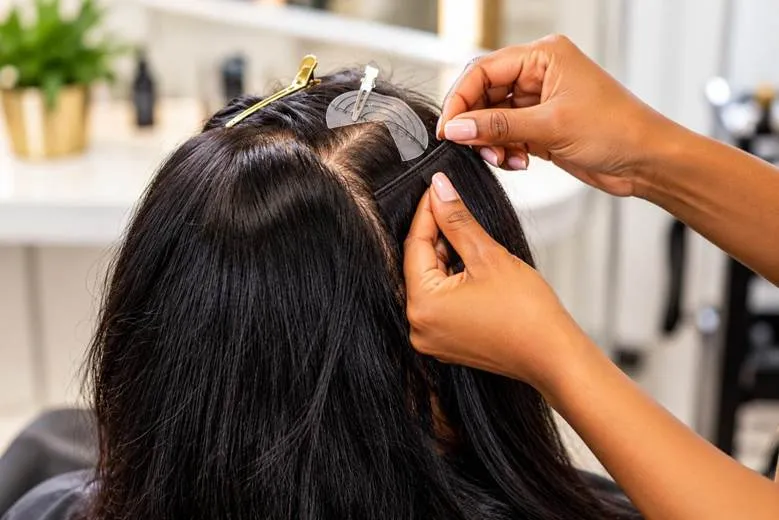
Natural hair extensions offer Black women a beautiful way to enjoy fuller hairstyles, experiment with different textures, and embrace protective styling. However, when dealing with thinning edges, fragile strands, or a sensitive scalp, choosing the right extensions involves more than finding a gorgeous curl pattern. Improper installation, excessive weight, and repeated pulling can contribute to hair breakage and traction alopecia, a form of hair loss associated with prolonged tension on hair follicles. The good news? Understanding your hair’s needs and making thoughtful styling decisions can help reduce unnecessary damage. Whether you love voluminous curls, textured clip-ins, or elegant sew-ins, prioritizing scalp comfort and healthy installation techniques makes all the difference.
Understanding Your Natural Hair Before Choosing Extensions
Textured and natural Black hair comes in beautiful variations, from loose curls to tightly coiled strands. Each texture has different characteristics, including density, elasticity, and susceptibility to breakage. When shopping for the Best Natural Hair Extensions, consider how comfortably the added hair will blend with your existing strands without requiring excessive manipulation, heat, or tension.
Hair density deserves particular attention. Someone with naturally thick, resilient strands may comfortably support an installation that would overwhelm finer or already weakened hair. Matching extension weight to your natural density helps prevent unnecessary pulling at the roots. Remember, beautiful volume should never come at the expense of scalp comfort.
Before purchasing extensions, evaluate these important factors:
● Hair density: Choose an appropriate amount of added hair for your natural fullness.
● Scalp condition: Avoid attaching extensions to irritated, inflamed, or actively thinning areas.
● Hairline strength: Keep fragile edges free from clips, tight braids, and heavy attachments.
● Extension weight: Consider lighter lengths and smaller amounts of hair when necessary.
● Texture compatibility: Select a curl pattern that blends without repeated heat styling.
If you’re experiencing unexplained shedding or visible thinning, consult a board-certified dermatologist before installing extensions. Identifying the underlying cause is essential because not every form of hair loss results from styling practices.
Why Extension Quality, Weight, and Texture Matter
Premium human hair extensions can offer excellent softness, natural movement, and styling versatility. However, expensive hair doesn’t automatically mean a healthier installation. The weight of the bundles, attachment placement, and condition of your natural strands determine how comfortably a hairstyle can be worn.
For women embracing textured hairstyles, selecting realistic curl patterns can reduce the need for constant blending and heat manipulation. For example, Raw Burmese Curly Bundles offer a naturally curly appearance that can complement certain textured hairstyles. Nevertheless, their suitability depends on the wearer’s natural hair condition, the amount installed, and how securely—but gently—the hair is attached.
Long, dense bundles may create beautiful fullness, but additional weight can increase strain when concentrated on small sections of natural hair. Consider moderate lengths and a comfortable volume rather than automatically selecting the fullest installation available.
Quality also influences maintenance. Human hair that detangles easily and retains its texture with proper care may require less aggressive brushing. Although high-quality extensions cannot prevent traction alopecia, manageable hair can help reduce unnecessary manipulation during everyday styling.
Comparing Extension Methods for Scalp Comfort
Different installation methods place stress on natural hair in different ways. Understanding these differences helps you make informed decisions, particularly when protecting fragile edges or recovering from previous hair damage.
Clip-in extensions: Lightweight clip-ins offer flexibility because they can be removed between wears. However, repeatedly attaching clips to the same delicate areas may contribute to breakage. Avoid placing them directly along thinning edges, and remove them before sleeping.
Sew-in weaves: Professionally installed sew-ins can provide styling versatility while keeping much of the natural hair tucked away. The foundation braids must remain comfortably loose, especially around the temples. Tight cornrows and heavy wefts can create damaging tension even when the installation looks flawless.
Tape-ins and bonded extensions: These methods require careful placement and professional removal. Adhesives, concentrated attachment points, and forceful removal may damage vulnerable strands. Anyone experiencing active hair loss should seek professional guidance before considering these options.
A practical rule applies to every method: Pain is never a sign that an installation is secure or properly done. Persistent tightness, tenderness, headaches, or scalp bumps should prompt immediate attention. A painful hairstyle needs loosening or removal rather than waiting for discomfort to disappear.
Protecting Your Scalp and Recognizing Early Warning Signs
Healthy extension wear begins with regular scalp care. Cleanse your hair appropriately, use conditioner to maintain moisture, and avoid excessive heat or forceful detangling. Give your natural strands sufficient recovery time between installations, particularly after hairstyles involving tension.
According to the American Academy of Dermatology, repeated pulling from tight hairstyles can cause traction alopecia, potentially resulting in permanent hair loss. Early warning signs include broken hairs around the forehead, a receding hairline, and thinning where the hair experiences repeated tension.
Never ignore scalp redness, persistent soreness, or increasing shedding. Removing the source of tension early may help prevent further damage. A dermatologist can also distinguish traction-related thinning from other conditions requiring medical treatment.
Final Thoughts on Hair Health
Beautiful extensions and healthy natural hair can coexist when thoughtful selection meets responsible styling. Prioritize comfortable installations, manageable weight, gentle maintenance, and professional guidance whenever hair loss becomes a concern.
Your scalp should never have to endure pain for the sake of a hairstyle. Protecting your natural strands today creates a healthier foundation for enjoying versatile, beautiful looks in the future.
